Expert Flat Roof Installation Services in Vincennes, IN
If you’re in Vincennes and your flat roof is due for a full install, you want it done once and done right. A flat system has to handle summer heat, heavy rain, and that freeze-thaw cycle that sneaks up every year. That’s why the planning matters as much as the material. You’ll get clear answers, tidy work zones, and an install plan that makes sense for your building. When the conversation turns to expert flat roof installation services in Vincennes, IN, Roofing Pros keeps it simple: strong surface prep, dependable drainage, and tight sealing where leaks love to start. Call (618) 780-5679 when you’re ready to talk details.
A flat roof works best when water moves off it fast, and the surface stays stable through temperature swings. We start by checking the deck condition, edges, and drain locations, because those spots decide how the whole system performs. Roofing Pros also plans for roof penetrations like vents, pipes, or equipment curbs, since those areas need careful sealing and clean transitions. During the install, we keep the roof surface smooth, the seams consistent, and the perimeter locked down so wind and water don’t find an easy path. This approach fits homes, additions, garages, and low-slope sections that need a reliable flat roofing setup in Vincennes.
What we lock in before install day:
- Deck inspected for soft spots and rot
- Drain paths checked for proper flow
- Insulation plan set for steady comfort
- Edge metal secured with correct fasteners
- Penetrations flashed with tight, sealed details
- Seam layout planned to reduce weak points
- Final surface checked for clean water shed
After the roof is finished, you’ll know what was installed, how it drains, and what to watch over time. That way, the roof stays quiet, not needy.

Materials And Layers That Keep Water Out
Flat roofing isn’t one single product. It’s a system built in layers, and each layer has a job. We help you choose the membrane type based on how the roof will be used, how much sun it gets, and what kind of drainage layout you have. TPO, EPDM, PVC, and modified bitumen are common flat systems, and each one has its own install method and detailing needs. We also talk about insulation thickness and cover boards when they make sense, because a good base helps the membrane sit flat and resist damage. On install day, the crew follows the layout, seals edges carefully, and handles seams with patience, not shortcuts.
Parts of a flat roofing system:
- Moisture checks are done before new layers
- Insulation installed to stop heat swings
- The membrane is placed with the correct attachment method
- Seams sealed, welded, or bonded carefully
- Flashing tied in at walls and curbs
- Drain details finished to reduce pooling
Once the layers are in and the details are sealed, the roof should feel solid underfoot and stay dry through storms. That’s the whole point.

Our Installation Steps From Start To Finish
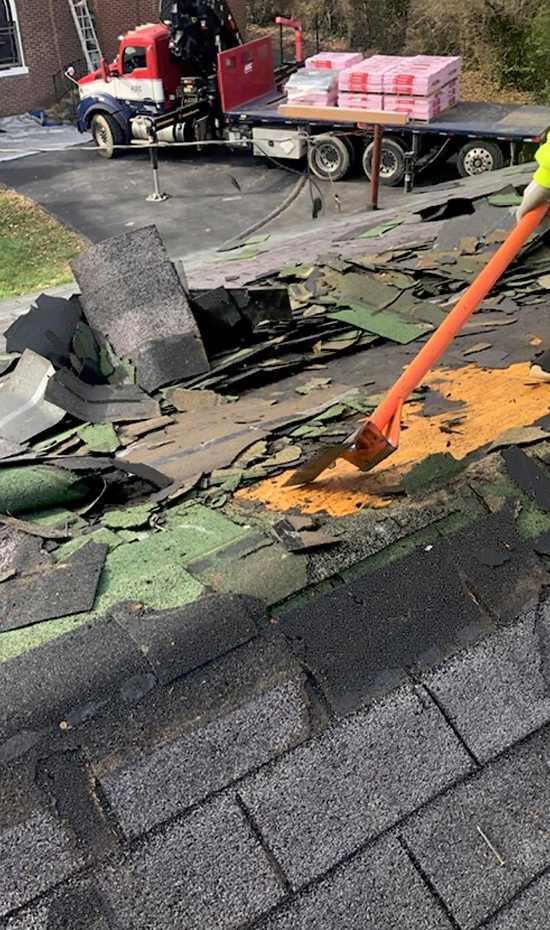
A clear process keeps the job moving and avoids messy surprises. We begin with a site visit in Vincennes to measure the roof, review access, and look for deck issues that need attention. Next, we map out drainage, perimeter edges, and any penetrations so water doesn’t get trapped. If a tear-off is needed, we remove old material cleanly and check the deck before building anything new on top. Then we install insulation, cover board when required, and the membrane system using the right method for that material. We finish by sealing seams, flashing walls and curbs, and checking the roof surface for proper flow.
How the job stays organized:
- Measurements taken and layout planned early
- Old layers are removed when the tear-off applies
- Deck repairs completed before the membrane goes
- Insulation installed with flat, even coverage
- Seams finished with a steady, repeatable technique
- Flashing is installed at every roof transition
- Cleanup is done, so your property looks normal
To wrap up, we walk the roof with you, explain what was installed, and answer questions in plain language. The goal is a roof you trust, not a mystery.
Why Choose Us
Clear Updates
You get straightforward progress notes during the job, so you’re not guessing what’s happening on your roof or when each step will finish.
Drain Planning
We focus on slope, scuppers, and drain placement so water moves off the roof the way it should, even after heavy Vincennes storms.
Detail Finishes
We take time on seams, edges, and penetrations because small gaps grow fast. That extra care helps your flat roof stay dry longer. q
Frequently Asked Questions
How long does a flat roof installation take in Vincennes?
Most residential flat roof installs take 1–3 days, depending on tear-off, deck repairs, and penetrations. Larger roofs take longer, especially with tapered insulation and detailing work.
Can you install a flat roof over an existing roof?
Sometimes, yes, if the existing layers are dry, stable, and allowed for your roof structure. If moisture is trapped or the decking is soft, removal is usually the safer route.
What makes expert flat roof installation services worth it?
It comes down to prep, drainage, and sealing. Solid deck repairs, correct membrane attachment, and careful flashing keep leaks from starting at seams, edges, and roof penetrations.